
MCP: The Universal Adapter for AI Tool Access
MCP: The Universal Adapter for AI Tool Access. A2A: Orchestrating Agent Swarms Like Human Teams. The Architecture of AI Engineering Teams.
MCP: The Universal Adapter for AI Tool Access
Model Context Protocol solves the integration nightmare that has plagued AI development since day one. Before MCP, every AI application needed custom integrations for each external system—GitHub, Slack, databases, APIs. It was like having a different charging cable for every device.
MCP works through a client-server architecture where AI applications (Claude, Cursor, VS Code) act as clients, and external systems expose their capabilities through MCP servers [5]. The protocol supports secure, bidirectional data flow with built-in authentication and resource management. Think of it as a standardized API layer that any AI agent can plug into.
The adoption curve has been remarkably steep. In just four months since launch, MCP has been integrated into major development environments including Zed, Replit, Codeium, and Sourcegraph [1]. Early enterprise adopters like Block and Apollo report significant improvements in AI agent autonomy for coding and debugging workflows [4].
The real breakthrough is contextual persistence. Instead of agents losing context between interactions, MCP enables them to maintain state across tools and sessions. A Claude instance can pull the latest code from GitHub, analyze database schemas, run tests, and push changes—all while maintaining full context of the development workflow.
As Gergely Orosz from The Pragmatic Engineer notes: "MCP could be another step forward for developer productivity, boosting AI agents' capabilities in ways we're just beginning to understand" [4].
A2A: Orchestrating Agent Swarms Like Human Teams
Agent2Agent takes a fundamentally different approach: instead of connecting agents to tools, it connects agents to each other. The protocol enables AI agents to discover capabilities through "Agent Cards," manage complex task lifecycles, and negotiate user experiences across different frameworks [3].
A2A's architecture supports multi-modal communication (text, audio, video) with enterprise-grade security through OAuth and OpenAPI standards [6]. But the real innovation is in workflow orchestration. Agents can delegate tasks, share artifacts, and coordinate responses like members of a distributed team.
Google has assembled an impressive coalition of 50+ partners including Salesforce, SAP, Atlassian, and Cohere [3]. The protocol's v0.3 upgrade added gRPC support and enhanced security features, positioning it for enterprise deployment at scale [6].
The enterprise pilots reveal A2A's true potential. At Gordon Food Service, agent swarms handle customer inquiries by coordinating between inventory systems, logistics platforms, and customer service tools in real-time [3]. Salesforce is using A2A to enable their Einstein agents to work seamlessly with third-party AI systems.
"Enabling agents to interoperate across different platforms and frameworks will increase autonomy and multiply productivity gains," explains Rao Surapaneni, VP at Google Cloud [3]. Gary Lerhaupt from Salesforce adds: "We're leading with A2A to enable AI agents to work together seamlessly across the entire customer journey" [3].
The Architecture of AI Engineering Teams
MCP and A2A aren't competing—they're complementary layers in a new AI infrastructure stack. MCP handles the "individual contributor" layer, giving each agent access to the tools they need. A2A manages the "team coordination" layer, enabling agents to work together on complex projects.
Consider a typical software development workflow:
- MCP layer: Individual agents access GitHub repos, run tests, query databases, deploy to staging
- A2A layer: Agents coordinate code reviews, manage release pipelines, handle incident response
This layered approach mirrors how human engineering teams operate. Individual developers need access to tools and systems (MCP), but they also need to coordinate with teammates, share context, and manage handoffs (A2A).
The combination enables true AI engineering organizations. Microsoft's Azure Agent Factory demonstrates this integration, connecting agents, applications, and data through both MCP and A2A standards [7]. CTOs can now deploy agent teams with clear role definitions, communication protocols, and success metrics—just like human teams.
Building Production Agent Teams: Lessons from Early Adopters
The enterprise pilots reveal key patterns for successful agent orchestration. First, security and authentication must be built-in from day one. Both protocols implement robust security models, but enterprises need additional layers for compliance and audit trails [8].
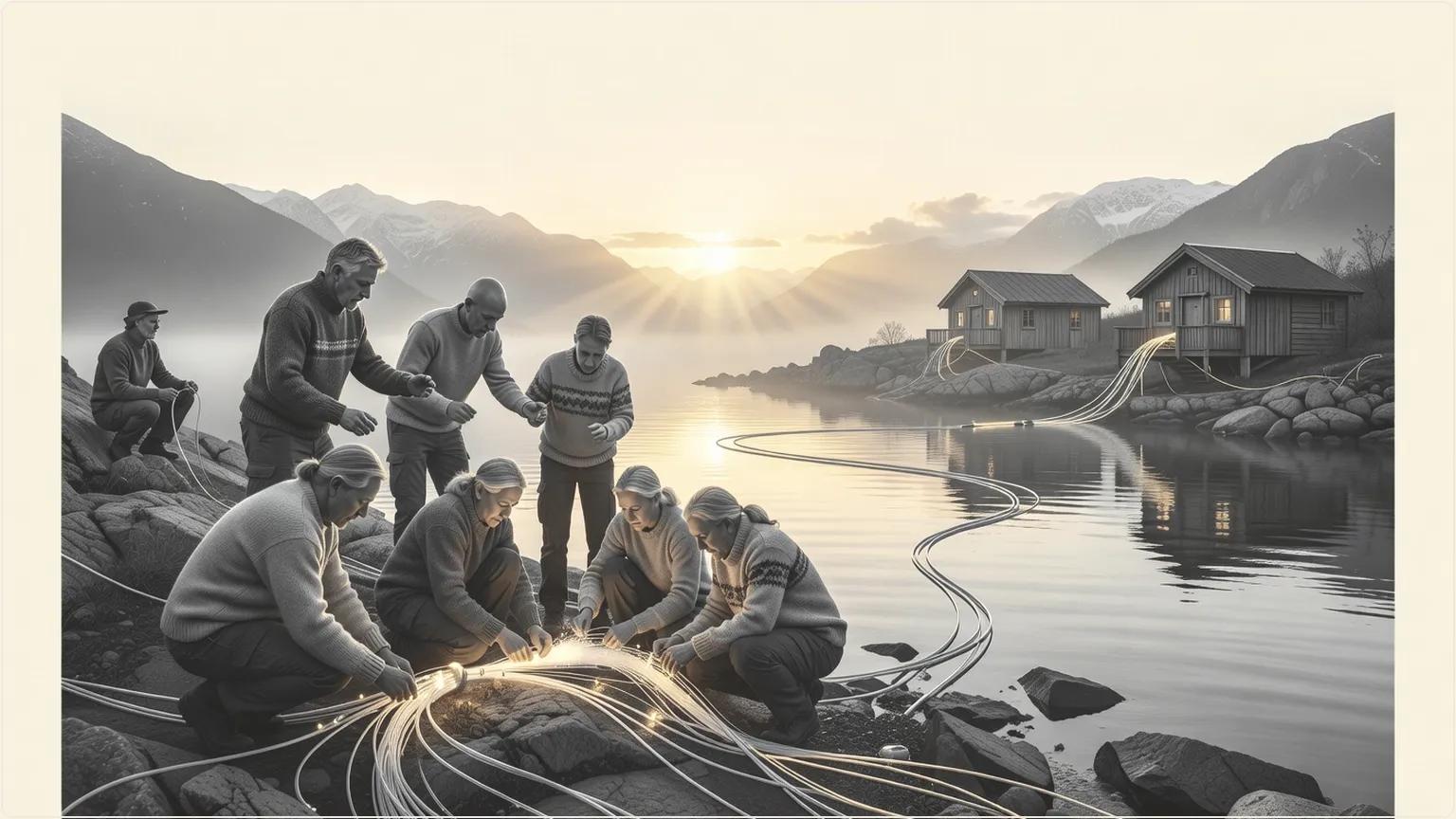
Second, agent specialization beats generalization. The most successful deployments assign specific roles to different agents—one for data analysis, another for customer communication, a third for system integration. This mirrors Conway's Law: agent team structures reflect the communication patterns they're designed to optimize.
Third, human oversight remains critical. Even sophisticated agent teams need escalation paths and human checkpoints for high-stakes decisions. The goal isn't to eliminate human judgment but to amplify it through better coordination and context sharing.
Google Cloud's Agent Engine provides a management layer for CTOs to monitor agent team performance, set policies, and optimize workflows [6]. Early metrics show 40% faster resolution times for complex customer issues when agent teams can coordinate effectively compared to single-agent approaches.
The Nordic approach to AI governance offers valuable insights here. Scandinavian companies have pioneered transparent, accountable AI systems with clear human oversight. This philosophy translates well to agent orchestration—teams work best when roles are clearly defined and accountability is maintained.
The Security and Governance Challenge
Protocol adoption at enterprise scale introduces new attack vectors and compliance requirements. MCP's tool access capabilities could enable agents to modify critical systems without proper authorization. A2A's inter-agent communication could leak sensitive data across organizational boundaries [8].
Both protocols address these concerns through different approaches. MCP implements resource-level permissions and sandboxed execution environments. A2A uses OAuth flows and encrypted communication channels. But enterprises need additional governance frameworks.
The solution lies in treating agent teams like human teams. This means role-based access controls, audit logging, and clear escalation procedures. Companies like SAP are developing "agent HR" systems that manage permissions, monitor performance, and handle disputes between AI agents [3].
The regulatory landscape is evolving rapidly. EU AI Act compliance requires explainable decision-making and human oversight for high-risk AI systems. Agent orchestration platforms must build these capabilities into their core architecture, not bolt them on later.
What Changes When AI Builds the Software
We're witnessing the emergence of the first truly autonomous software development teams. When agents can coordinate like human engineers—sharing context, delegating tasks, and maintaining state across complex workflows—the fundamental economics of software development shift.
The implications extend far beyond faster coding. Agent teams can operate 24/7, scale instantly, and maintain perfect context across projects. They don't forget previous decisions, lose institutional knowledge, or struggle with handoffs between team members.
But this also raises profound questions about the nature of software engineering work. If AI teams can handle routine development tasks, human engineers must focus on higher-level architecture, product strategy, and system design. The post-code era isn't about eliminating programmers—it's about elevating them to work that requires genuine human judgment.
Nordic companies are already adapting to this reality. Finnish software firms are restructuring engineering teams around AI orchestration, with humans focusing on product vision and AI agents handling implementation details. Norwegian startups are building entire products with agent teams, using human oversight primarily for strategic decisions and customer interaction.
The protocol wars between MCP and A2A will ultimately be decided by developer adoption and enterprise deployment success. But the real winner is the broader shift toward AI systems that can collaborate, coordinate, and create like human teams—while operating at machine scale and speed.
Code is becoming free. The judgment to orchestrate AI teams effectively isn't. That's where human expertise remains irreplaceable, and where the next generation of technical leaders will prove their value.
Sources
- https://www.anthropic.com/news/model-context-protocol
- https://developers.googleblog.com/en/a2a-a-new-era-of-agent-interoperability
- https://cloud.google.com/blog/products/ai-machine-learning/agent2agent-protocol-is-getting-an-upgrade
- https://newsletter.pragmaticengineer.com/p/mcp
- https://modelcontextprotocol.io/docs/getting-started/intro
- https://www.merge.dev/blog/mcp-vs-a2a
- https://azure.microsoft.com/en-us/blog/agent-factory-connecting-agents-apps-and-data-with-new-open-standards-like-mcp-and-a2a
- https://auth0.com/blog/mcp-vs-a2a
Want to go deeper?
We explore the frontier of AI-built software by actually building it. See what we're working on.