
Anthropic Previews Claude Mythos with Autonomous Cyber Capabilities
Anthropic Previews Claude Mythos with Autonomous Cyber Capabilities. OpenAI Enhances ChatGPT with Persistent Memory and No-Code Building. Ideogram 4.
Anthropic Previews Claude Mythos with Autonomous Cyber Capabilities
Anthropic dropped a 244-page system card for Claude Mythos Preview that shows massive leaps over Claude Opus 4.6, particularly in autonomous cybersecurity work [4][5]. The model can discover and exploit zero-day vulnerabilities independently—a capability so powerful they're limiting preview access to just 12 defensive cybersecurity partners through Project Glasswing.
The benchmarks are impressive, but the cyber capabilities are raising eyebrows across the AI community. Anthropic is threading the needle between showcasing breakthrough performance and responsible deployment, with public release expected weeks after the initial preview period.
Rumors of the upcoming Oceanus checkpoint showing strong zero-shot performance suggest Anthropic isn't just keeping pace with the agent race—they might be leading it. The question is whether their safety-first approach will slow market adoption compared to Google's immediate rollout strategy.
OpenAI Enhances ChatGPT with Persistent Memory and No-Code Building
OpenAI's quieter but significant updates through early 2026 focused on making AI more useful for actual work [6][7]. The Codex app now offers persistent memory across conversations, remembering your preferences, project context, and working style—finally solving the frustrating "explain this again" problem that plagued earlier AI interactions.
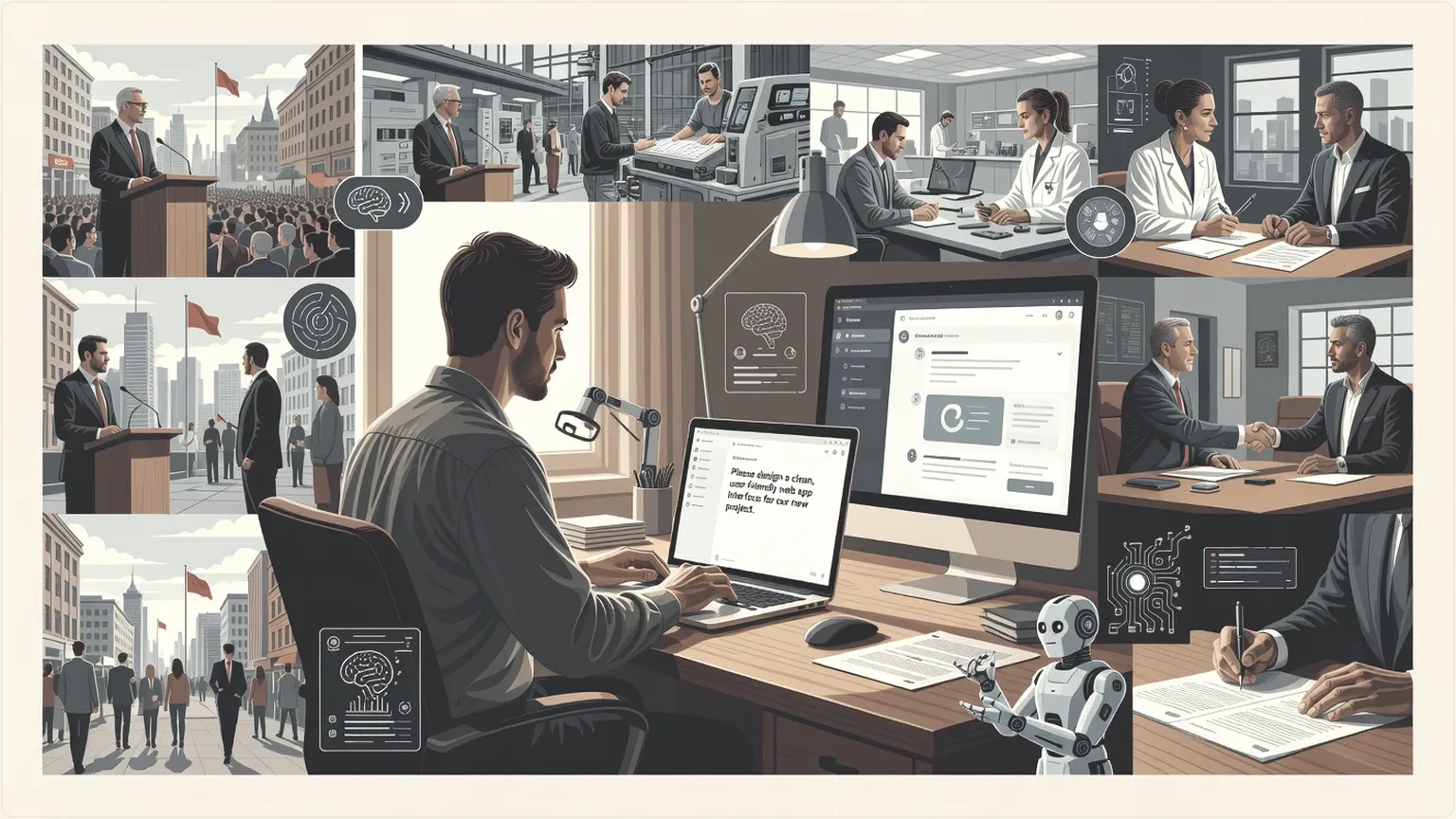
The Codex-powered Sites tool lets users create shareable web apps from simple ideas, no coding required. It's rolling out to Enterprise and Education customers first, then Plus and Pro users, emphasizing OpenAI's focus on unified context across their tool ecosystem.
While Google and Anthropic battle over model capabilities, OpenAI is solving the practical problem of AI that actually remembers what you're working on. Sometimes the most important innovation is just making things work better.
Ideogram 4.0 Goes Open-Weight with Superior Text Rendering
Ideogram released their 4.0 model as a 9.3B parameter open-weight text-to-image generator, claiming the crown for best open image model [8][9]. The standout feature is superior text rendering—historically a weak point for image generators—plus natural language editing capabilities.
The technical achievement is running on a single 24GB GPU with NF4 quantization, making high-quality image generation accessible to smaller teams and researchers. Weights are available on Hugging Face for download and fine-tuning, sparking excitement in the open-source community.
This matters because it democratizes advanced image generation beyond the closed APIs. When open models match or exceed closed alternatives, it shifts the competitive landscape from model access to application and integration quality.
What This Means For Your Business
We're witnessing the transition from AI as a chat interface to AI as autonomous workers. Google's agent focus, Anthropic's autonomous capabilities, and OpenAI's persistent memory all point toward AI that maintains context and executes complex tasks without constant human guidance. This isn't about better prompts—it's about AI that understands your business context and acts on it.
The open-weight trend with Ideogram 4.0 signals a broader shift toward commoditized AI capabilities. When powerful models become freely available, competitive advantage moves from model access to judgment: knowing what to build, how to integrate, and when to deploy. Companies still debating whether to "use AI" are asking the wrong question—the question is how quickly you can move from coding solutions to orchestrating AI workers.
The Nordic emphasis on pragmatic AI deployment becomes crucial here. While others chase the latest model releases, the real opportunity is in building systems that combine these capabilities intelligently. Code is becoming free, but the judgment to orchestrate it effectively isn't.
Key takeaway: The AI landscape is shifting from better chatbots to autonomous agents. Success will depend on orchestration skills, not coding capabilities.
Sources
- https://cloud.google.com/blog/products/ai-machine-learning/innovations-from-google-io-26-on-google-cloud
- https://techcrunch.com/2026/05/19/with-gemini-3-5-flash-google-bets-its-next-ai-wave-on-agents-not-chatbots/
- https://mashable.com/article/google-io-2026-gemini-35-flash
- https://www-cdn.anthropic.com/8b8380204f74670be75e81c820ca8dda846ab289.pdf
- https://techcrunch.com/2026/04/07/anthropic-mythos-ai-model-preview-security/
- https://openai.com/index/introducing-the-codex-app/
- https://www.buildfastwithai.com/blogs/openai-codex-for-almost-everything-2026
- https://ideogram.ai/blog/ideogram-4.0/
- https://news.ycombinator.com/item?id=48385829
Stay ahead of AI
No spam. Unsubscribe anytime.
Want to go deeper?
Reading the news is one thing. Exploring the frontier is another. See what we're building.